
Eyes first
Goggles or a face shield before sparks, grinding dust or a laser enclosure opens. Ordinary sunglasses are not workshop protection.
Did you know? Most eye injuries are preventable with the right lens for the job.
Shop floor · On site · Cape Town
Clear, practical habits we use in our Blackheath fab shop and when we install kit on your plant. Teaching vibe — not a compliance lecture.
I will not walk past.
See something unsafe? Pause. Fix it or flag it. Leave the next shift better than you found it.
Short tips you can remember on the floor — eyes, hands, lungs, heights, boots, tidy sites, laser and hot work.
Goggles or a face shield before sparks, grinding dust or a laser enclosure opens. Ordinary sunglasses are not workshop protection.
Did you know? Most eye injuries are preventable with the right lens for the job.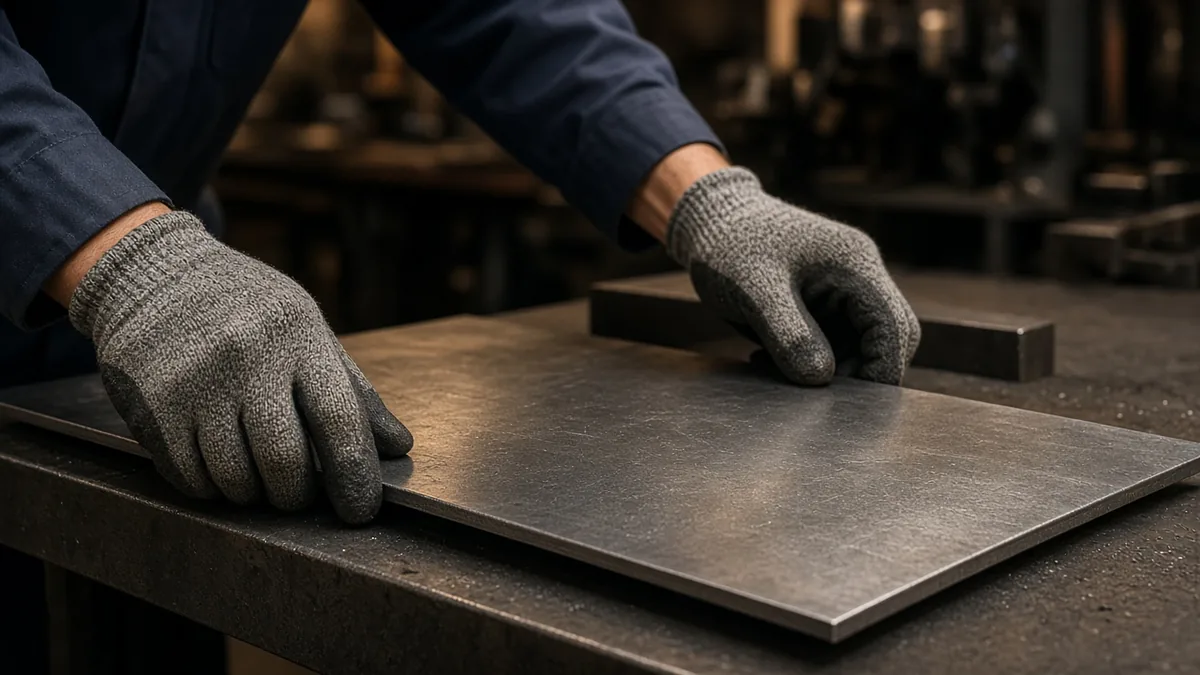
Right glove for the task — cut, heat or chemical. Gloves off near rotating spindles where they can catch.
Did you know? A glove that fits poorly can be riskier than no glove on a drill.
Capture dust and fumes at the source. Don’t chase them around the bay with compressed air.
Did you know? Extraction at the source beats sweeping later. HCA / Physical Agents — keep airborne risks under control where you can.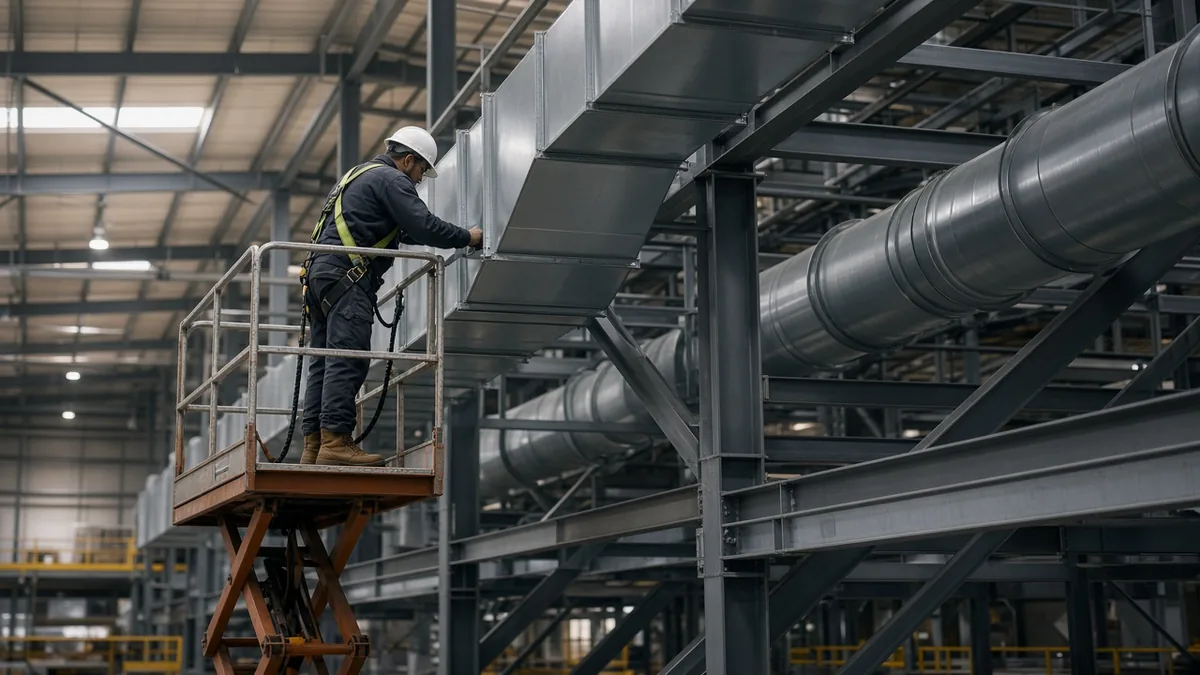
Ladders and platforms only when set firm and used properly. Three points of contact beat a quick stretch.
Did you know? Most falls happen from low height — still enough to hurt.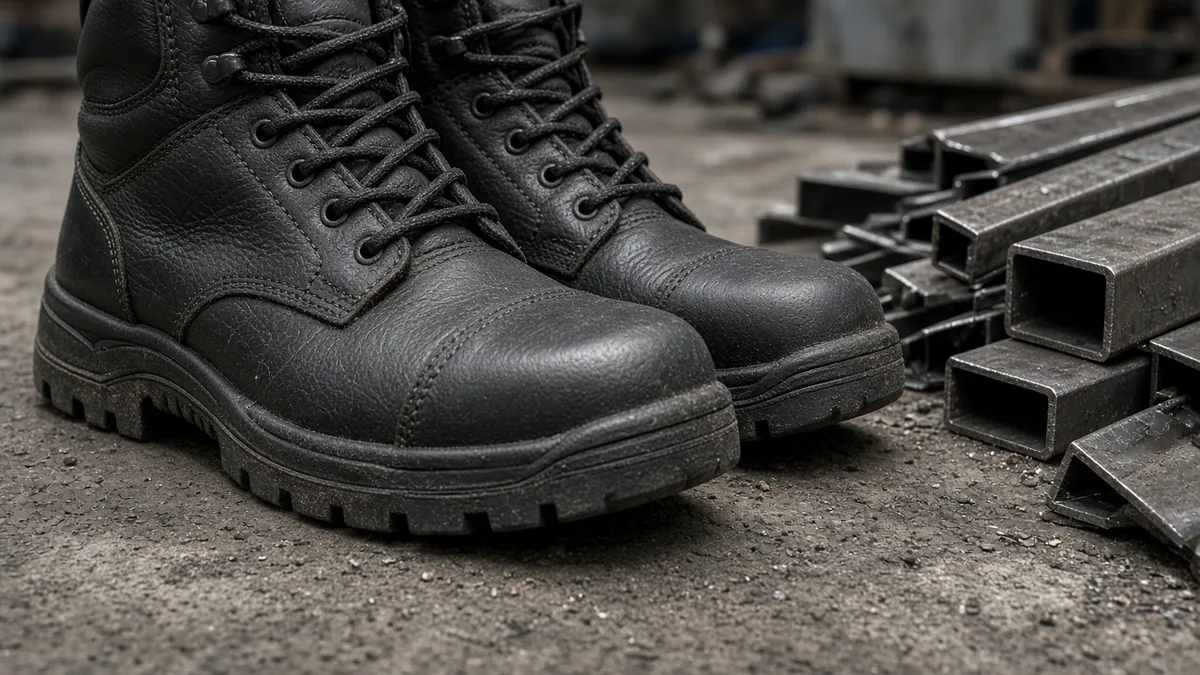
Steel-toe or composite boots in the fab bay. Plate and offcuts don’t care about soft shoes.
Did you know? Boots protect toes that steel won’t forgive.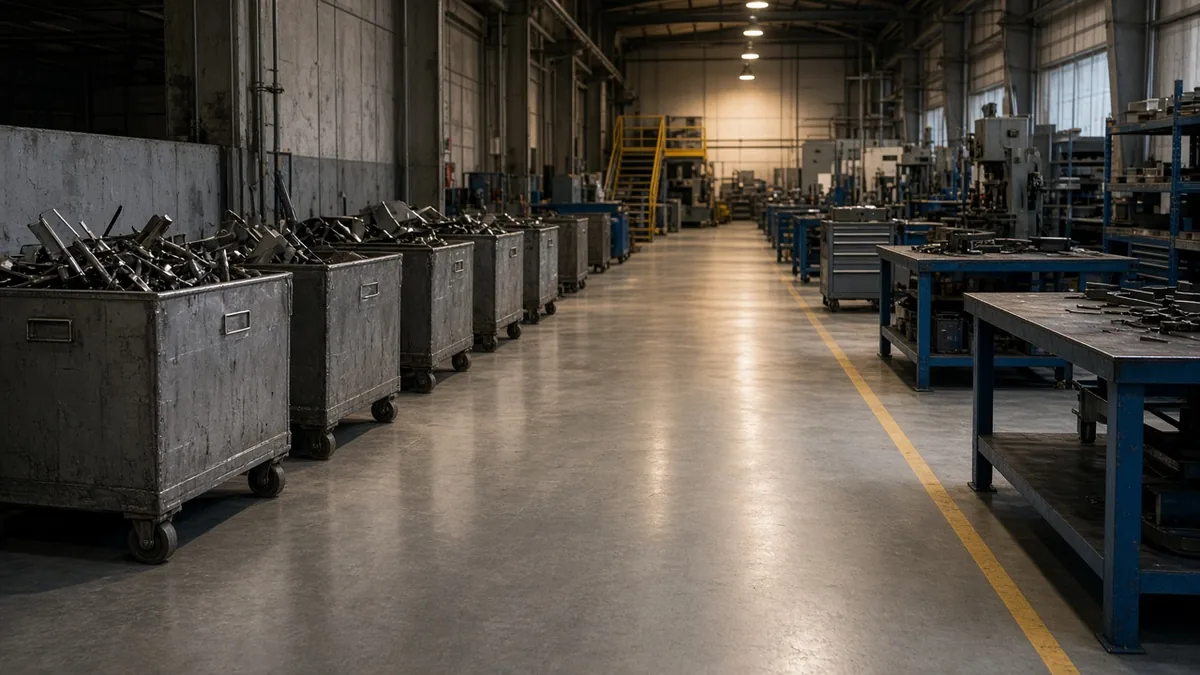
Scrap in the bin, floors clear, walkways open. A tidy bay is easier to work in — and safer to walk through.
Did you know? Trips often start with “I’ll pick that up later.”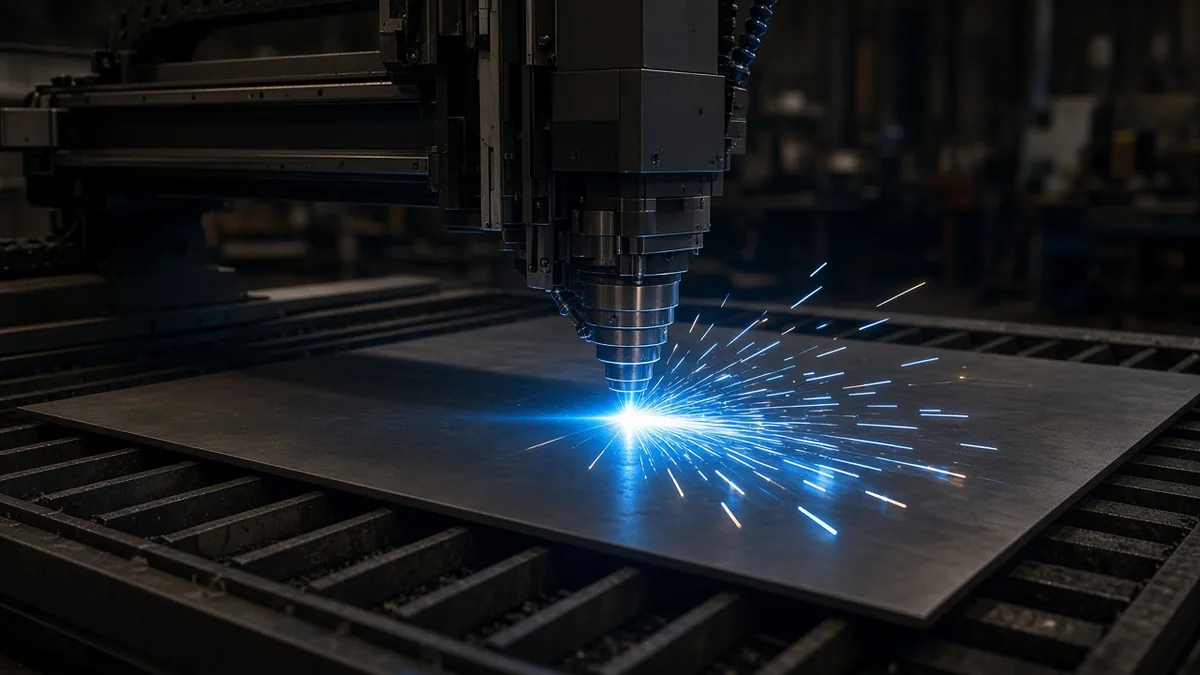
Lid shut. Interlocks on. Eyewear must match the machine — a laser beam is not a flashlight.
Did you know? Reflections from shiny stock can still be a hazard. Physical Agents — non-ionising radiation needs sensible controls.
Guards stay on. Lock out before hands go near moving parts. Hot metal looks the same as cold until you grab it.
Did you know? Guards exist because someone already learned the hard way. Driven Machinery — keep guards and isolation habits alive.
Their plant, their rules. Listen at induction, ask about permits and exits, and don’t invent shortcuts.
Did you know? Induction is how you learn their plant before tools come out. Construction Regs may apply on many plant installs — check the site brief.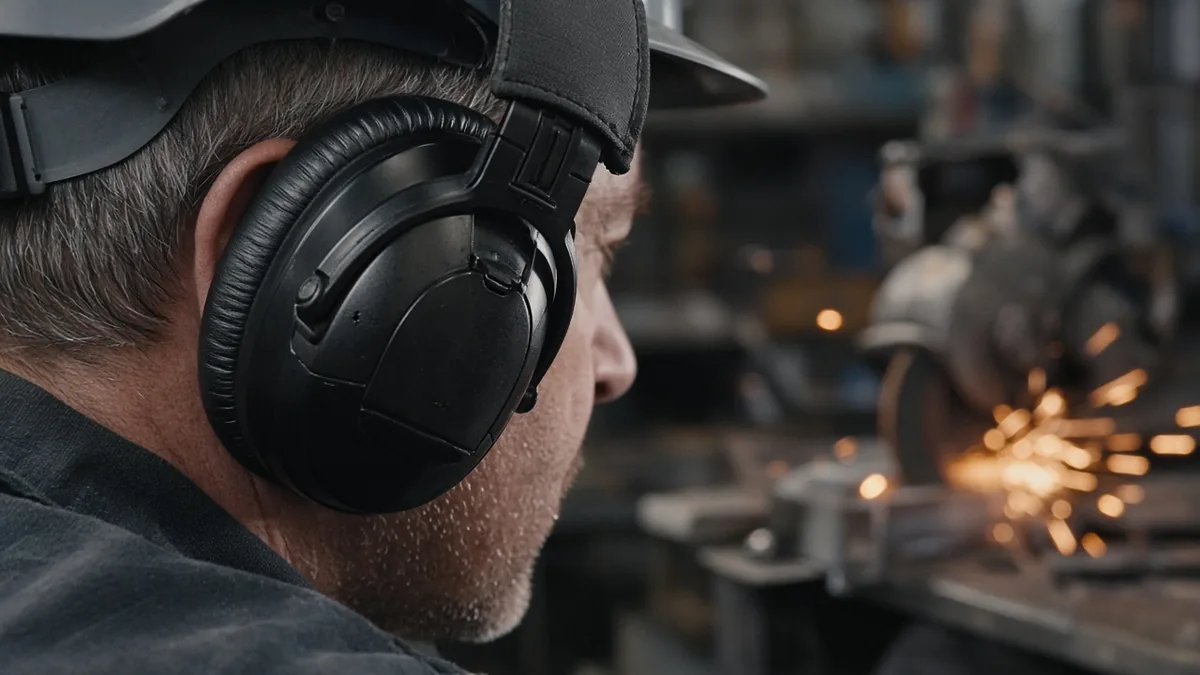
Grinders, fans and fab noise add up. Wear muffs or plugs when the bay is loud — hearing doesn’t reset overnight.
Did you know? Noise damage builds quietly over years of “just a short job.”South Africa has official workplace health and safety laws. They’re useful when you want the full wording — not a substitute for common sense on the floor.
The main Act is the Occupational Health and Safety Act 85 of 1993 (OHSA). In everyday words: employers keep workplaces as safe as reasonably practicable; workers take reasonable care of themselves and others. Related regulations cover construction work, driven machinery, hazardous chemical agents and physical agents (including air quality and non-ionising radiation).
We don’t invent section numbers here. Ask your OHS / SHEQ person, or open the official documents below when you need the exact text.
Extraction isn’t just kit — it’s how dust and fumes stay out of lungs. Design, install and maintain capture so tomorrow’s shift breathes easier.